
The Rise of Agentic AI in Beauty
From Chatbots to Agents: Defining the Shift
Traditional beauty chatbots were primarily reactive systems. They relied on rigid decision trees to provide static answers to frequently asked questions. If a customer diverged from the pre-programmed script or asked a nuanced question about product interactions, the system typically failed or required a human hand-off.
Agentic AI introduces a paradigm shift by granting the system a high degree of autonomy. These agents are designed to reason through a goal, such as helping a customer find a wedding-day look, and break that goal down into a logical series of steps. Unlike previous versions, these agents can use external tools, plugging directly into a brand’s inventory system or looking up a customer’s specific purchase history to provide context-aware advice. Furthermore, they can execute tasks directly, such as initiating a product return or modifying a subscription, rather than just telling the user how to do it themselves.
Case Study: L’Oréal’s Beauty Genius
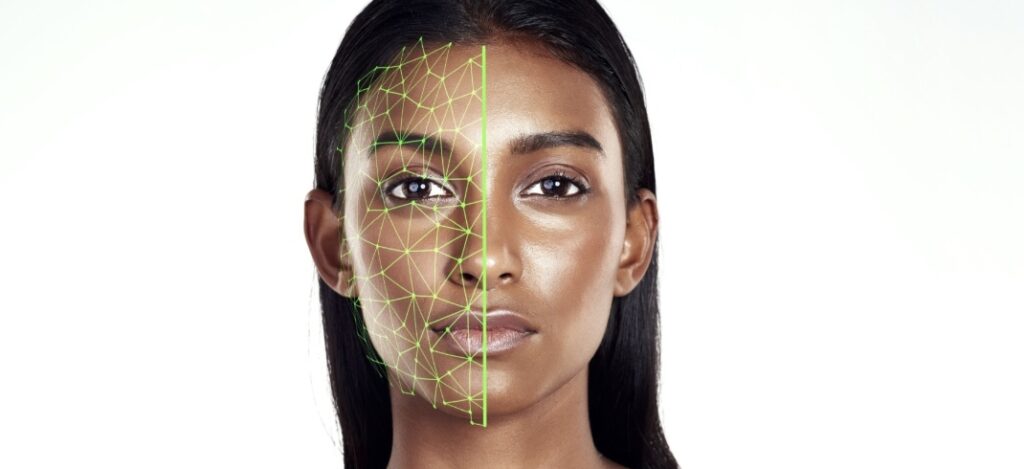
L’Oréal has positioned itself as a leader in “BeautyTech” with its Beauty Genius platform serving as a primary example of agentic AI. This platform acts as a 24/7 personal beauty assistant that merges AI diagnostics with agentic capabilities. For example, if a user uploads a selfie to analyze skin health and mentions redness after a flight, the AI does more than recommend a generic cream. It cross-references the user’s specific skin type from previous scans with the ingredients of products they already own to ensure there are no negative interactions. By integrating with accessible platforms like WhatsApp, L’Oréal effectively moves the high-end beauty counter experience directly into the consumer’s pocket, providing professional-grade consultation at scale.
Case Study: Madison Reed’s Efficiency Revolution
While L’Oréal focuses on hyper-personalization, the hair color brand Madison Reed utilizes agentic AI to solve major operational friction. The brand upgraded its AI agent, known as Madi, to handle complex, high-volume tasks that previously required expensive human intervention. Madi can now autonomously handle subscription management, including cancellations, skips, and changes to delivery frequency. It also manages booking logistics across the brand’s nearly 100 Hair Color Bars. Madison Reed reported that Madi now handles 90% of web traffic and 60% of phone traffic. This automation allows human colorists and support staff to stop acting as administrative assistants and instead focus on high-value, emotional interactions that require a human touch.
Collapsing the Marketing Funnel
Historically, the path to purchase in the beauty industry was a multi-step journey involving several distinct phases: awareness through ads, consideration through reviews, and eventually conversion through a purchase. Agentic AI is effectively collapsing this funnel into a single interaction. When an AI agent provides a skin diagnostic, recommends a specific product, and offers an “Add to Cart” button all within one conversation, the gap between discovery and transaction virtually disappears. This is particularly effective in “Moment of Intent” commerce, where a consumer has a specific problem and is looking for an immediate, trusted solution without the friction of navigating a complex website.
Share of Model (SOM) as the New SEO
The rise of agentic AI introduces a new competitive metric known as Share of Model. In the previous digital era, brands focused heavily on optimizing for Google search results. In the agentic era, brands must ensure they are the “top of mind” for the AI models themselves. If a consumer asks an autonomous agent for the best cruelty-free retinol for sensitive skin, the brand that the AI recommends wins the sale. This requires beauty brands to provide structured, science-backed data that AI models can easily ingest and trust. Brands that fail to appear in these AI-driven recommendations risk becoming invisible to a new generation of shoppers who rely on AI to filter through the noise of thousands of competing products.
The Human-in-the-Loop Strategy
Despite the autonomy of these agents, industry leaders emphasize that AI is an augmenter rather than a total replacement for humans. In the beauty industry, trust and emotional resonance remain paramount. A stylist’s intuition or a consultant’s ability to empathize with a customer’s insecurities cannot be replicated by code. The goal of agentic AI is to handle the administrative and technical burden—such as tracking orders, checking chemical ingredients, and managing schedules—so that human experts can provide the “soul” of the brand experience. This hybrid approach ensures efficiency without sacrificing the personal connection that drives brand loyalty.
Future Outlook: Hyper-Personalization at Scale
Looking forward, agentic AI will likely move toward preventative care rather than just reactive solutions. Instead of waiting for a customer to report a breakout, agents will monitor environmental data such as local weather and pollution levels alongside personal health metrics to proactively suggest adjustments to a user’s routine. For beauty brands, the challenge will be balancing this intense data collection with consumer privacy. However, for those who master the technology, agentic AI offers the “holy grail” of retail: the ability to provide every single customer with the level of service once reserved for elite clients of luxury department stores.
Agentic AI is steering the beauty industry toward a future defined by invisible commerce. By acting as autonomous, intelligent intermediaries, these agents are making beauty routines more effective, shopping more efficient, and brand operations more scalable. As L’Oréal and Madison Reed have demonstrated, the brands that successfully integrate these agents will not just sell products; they will become indispensable digital companions in their customers’ daily lives.
Sources: https://www.businessoffashion.com/articles/beauty/agentic-ai-beauty-brands-perfect-loreal-madison-reed/?utm_source=newsletter_daily_beauty&utm_medium=email&utm_campaign=Daily_Beauty_111125&utm_term=4KQLIPVVMNAG3KXC5JX3G5KTH4&utm_content=top_story_1_cta