
Takeaways from CES 2026 for the Beauty Industry
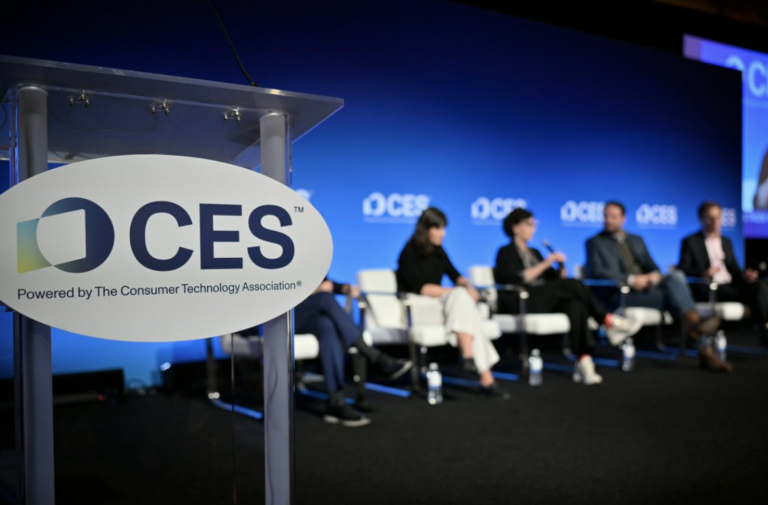
CES 2026 once again showcased the growing role of beauty and wellness within the broader technology space. As in previous years, the event highlighted how innovation continues to reshape the way consumers interact with products and services.
From AI-powered diagnostics to connected packaging, several clear themes emerged that point to the future of the beauty industry.
#1: Light-based technology gains momentum
Light-based beauty treatments continued to stand out at CES 2026, with several brands introducing new devices focused on improving skin and hair care.
LG H&H presented its Hyper Rejuvenating Eye Patch, an ultra-thin LED patch designed to analyze facial data, divide the eye area into micro-zones, and assess skin conditions. The device uses this information to deliver targeted light treatments, while its flexible design helps improve ingredient absorption and energy efficiency.
L’Oréal has consistently used CES to showcase emerging concepts, and this year was no exception, The company highlighted its continued work in light-based technology. Its Light Straight device uses LED technology to style hair while reducing the risk of damage associated with traditional high-heat tools. The company also showcased LED-based eye patches and a face mask, continuing its focus on combining beauty with advanced technology.
As more brands invest in light therapy, this category is expected to become more prominent in mainstream beauty over the coming years.
#2: Packaging becomes functional
Packaging is evolving beyond aesthetics, with companies developing systems that actively contribute to product performance. Nuon Medical demonstrated a new approach to “device-in-packaging,” where packaging itself functions as a delivery system. These solutions can integrate sensors, treatment capabilities, and connectivity directly into products.
Examples include applicators that deliver ingredients to the skin, diagnostic tools that monitor hydration, and sensors that track environmental factors such as UV exposure and pollution. This shift transforms packaging into an active component of the beauty experience rather than just a container.
#3: Innovation can come from unexpected places
CES spans multiple venues in Las Vegas, making it easy to miss smaller but impactful innovations. Start-up areas like Eureka Park continue to serve as a key space for emerging brands and early-stage technologies.
These environments often highlight concepts that may later scale into mainstream applications. Many established companies, including L’Oréal and Procter & Gamble, have previously showcased early-stage ideas in these spaces before they took part as exhibitors and speakers to the larger audience.
This year, attendees could discover companies like Grabity, a Korean haircare brand focused on proprietary polymer technology. Its LiftMax 615 ingredient forms a dense coating on the hair surface, helping improve adhesion to proteins and extend treatment effects. The result is smoother, shinier, and more resilient hair.
Another example is Amorepacific’s Skinsight technology, developed in collaboration with MIT. The system analyzes real-time skin-aging signals to help predict future changes, further highlighting the role of data-driven diagnostics in beauty.
#4: AI continues to shape the industry
Artificial intelligence remained a central theme across CES 2026, influencing everything from diagnostics to product customization. Beauty brands are increasingly using AI to analyze data, predict outcomes, and create more personalized solutions.
Kolmar Korea’s AI-powered Scar Beauty Device demonstrated how these technologies can be applied in practice. The system combines scar treatment and cosmetic coverage into a single process, allowing users to treat and conceal scars at the same time. The device uses a connected app to analyze scars, classify them into 1 of 12 categories, and generate customized treatment plans. It then applies both treatment and coverage using piezo-electric micro-dispensing technology, blending from a wide range of 180 different skin tones to create a natural finish. This device won the Best of Innovation Award in the Beauty Tech category at CES 2026.
Other companies are also expanding AI capabilities. Kiehl’s introduced Derma-Reader 2.0, an in-store tool that uses imaging and tri-polar lighting technologies to analyze more than 11 surface and subsurface skin attributes. Amorepacific is also integrating AI-driven skin analysis into Samsung’s AI Beauty Mirror, further connecting beauty devices with digital ecosystems.
Looking ahead to CES 2027
As beauty technology continues to evolve, companies are focusing on creating more integrated and personalized experiences. The combination of AI, connected devices, and data-driven insights is shaping a more interactive and consumer-centered approach to beauty.
Industry leaders expect these innovations to continue developing, with even more advanced technologies likely to appear at CES 2027. The next event is scheduled to take place in Las Vegas from January 6 to 9, 2027.
Source: https://www.happi.com/exclusives/ces-2026-4-takeaways-for-the-beauty-industry/