
SkinVision: Can an App Really Help You Spot Skin Cancer?
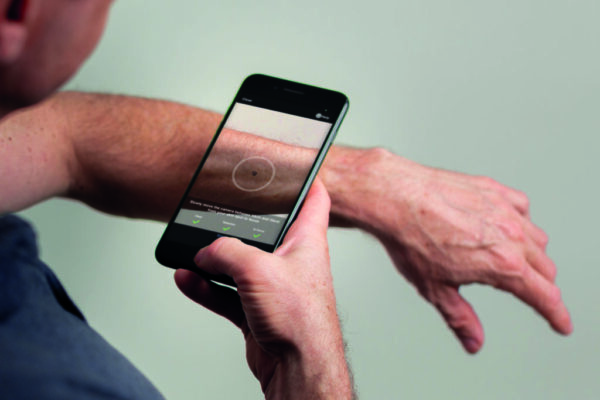
In today’s world of telehealth, wearable monitors, and AI-powered everything, it was only a matter of time before skin cancer detection got the tech upgrade. Enter SkinVision, a mobile app that uses machine learning to assess the risk of skin lesions—all from a simple photo you take on your phone.
It’s a bold promise: early detection of skin cancer from the palm of your hand. But how does SkinVision actually work? And more importantly, does it work?
What Is SkinVision?
SkinVision is a CE-certified medical device app developed in collaboration with dermatologists and skin cancer researchers. The goal? To empower users to monitor their skin and identify high-risk spots before they become a major concern. The app uses a proprietary AI algorithm to analyze images of moles or skin lesions and classifies them as low, medium, or high risk.
Since its launch, SkinVision claims to have conducted over 3.5 million skin assessments and helped detect more than 50,000 cases of skin cancer. It’s currently available in select regions and is backed by partnerships with various healthcare providers and insurance companies.
How Does It Work?
-
- Snap a Photo: You take a clear, well-lit photo of a mole or skin spot.
-
- Instant Risk Assessment: The app uses AI to evaluate the image and gives a risk rating (low, medium, or high).
-
- Actionable Advice: Based on your result, SkinVision may recommend a follow-up with a dermatologist—or continued monitoring within the app.
All assessments are stored in your personal profile so you can track changes over time, which is crucial since visual changes are often the earliest signs of melanoma.
Is It Accurate?
According to studies referenced by SkinVision, the app’s algorithm has a sensitivity of 95% for detecting skin cancer. That’s a high accuracy rate, especially for a first-line tool. But even the company is clear: SkinVision is not a diagnostic app. It’s a risk assessment tool—not a replacement for a board-certified dermatologist.
That said, dermatologists often applaud the app’s ability to help patients become more proactive. In many cases, users who received a high-risk result were able to follow up early and receive timely diagnoses.
The Pros and Cons
Pros:
-
- Fast, easy, and accessible from anywhere
-
- Encourages skin awareness and self-monitoring
-
- Uses clinically validated technology
-
- Option to track changes over time
Cons:
-
- Not a replacement for a full-body skin check
-
- Currently not available in all regions
-
- False positives may create unnecessary anxiety