
AI Infrastructure Drives the Future of Beauty
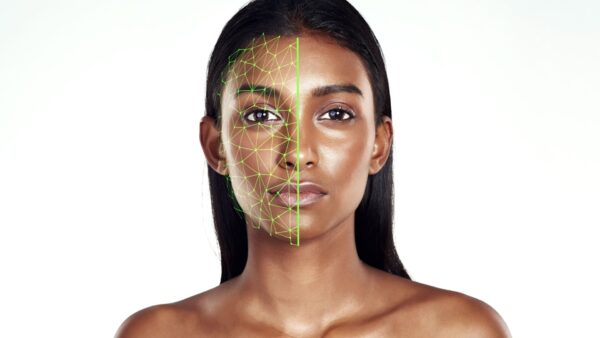
Artificial intelligence has become a driving force behind personalized skincare, virtual consultations, and smarter product recommendations. But as AI adoption accelerates, the beauty industry is realizing that success depends on more than powerful algorithms. Behind every AI-powered skincare tool is the infrastructure that makes it possible.
From high-performance computing to wearable skin sensors and clinical datasets, companies are investing in the technology needed to support the next generation of beauty innovation.
AI Is Moving Beyond Consumer Experiences
While AI has become a familiar part of online skincare quizzes and virtual skin analysis, its role is expanding across the entire beauty industry. Brands are increasingly using AI to support product formulation, manufacturing, consumer diagnostics, and personalized skincare recommendations.
As AI becomes integrated into every stage of product development, both infrastructure and software software are emerging as a key competitive advantage.
Why Infrastructure Matters
Powerful AI systems require significant computing resources and high-quality data to deliver accurate, personalized results. Graphics processing units (GPUs), which power many AI models, allow companies to process large image datasets, train computer vision algorithms, and improve skin analysis capabilities. Nvidia’s GPU supply is highly sought after by companies to combine AI infrastructure with scientifically validated data.
Equally important are diverse clinical datasets. AI models trained on validated skin data across different skin tones and conditions can generate more reliable recommendations and help reduce bias, making personalization both more accurate and more inclusive.
AI Infrastructure Is Becoming a Global Priority
South Korean companies have joined this race for GPU access to train AI-factories. Cosmax, the world’s largest cosmetics original design manufacturer, has reduced its manufacturing steps for personalized products by nearly half. Kolmar Korea, a product planning system, allows its users to jump directly from cosmetic product demand to production. French company L’Oreal partnered with Nvidia last year to develop Beauty Genius, a generative AI tool that provides individualized cosmetic guidance to its users.
Wearable Technology Is Changing Personalized Skincare
One of the most promising developments is the rise of wearable skin sensors. Amorepacific recently developed Skinsight, a patch that monitors triggers for skin-aging and is powered by AI to provide personalized skin care products.
When combined with AI, this real-time data enables more personalized skincare recommendations that adapt as skin conditions change throughout the day.
Building the Future of Beauty
The future of beauty will be defined not only by smarter AI, but by the infrastructure that supports it. Companies investing in high-quality data, scalable computing, and connected technologies will be best positioned to deliver personalized skincare experiences that are both innovative and scientifically grounded.
Source: https://www.personalcareinsights.com/news/beauty-ai-infrastructure-race.html?utm_source=ActiveCampaign&utm_medium=email&utm_content=Trends%20%26%20Highlights%20%7C%20Beauty%20s%20AI-powered%20shakeup&utm_campaign=2026-00-00%20PCI%20Trends%20%26%20Highlights%20%28Template%29%20%28Copy%29