
AI Skin Tool Visualizes Impact of Lifestyle on Health
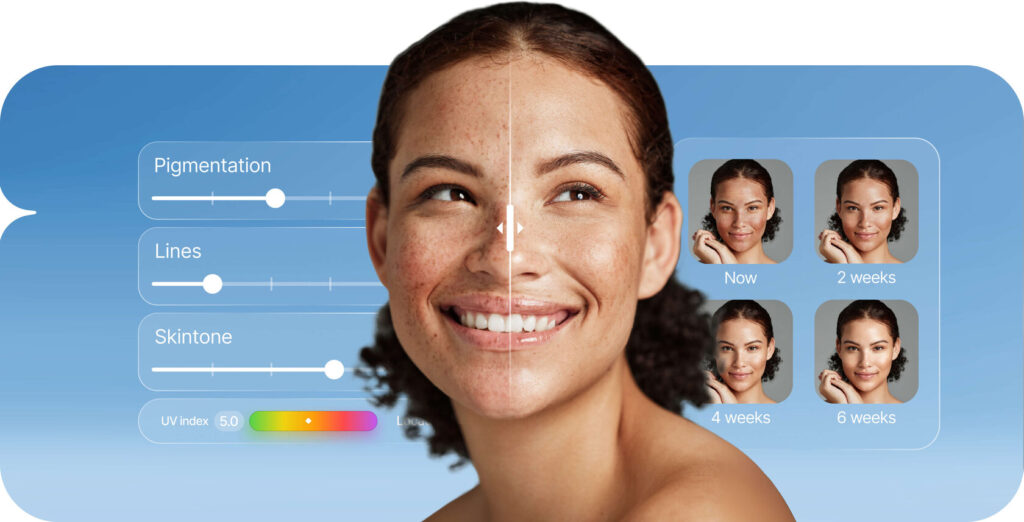
SaaS technology company Haut.AI has introduced a new AI-powered SkinGPT Aging Model in collaboration with digital health platform Noom. The model is designed to show how lifestyle, diet, and environmental factors can affect skin over time, helping users visualize changes over a period of up to 40 years.
The company positions this technology as a way to make abstract health advice more tangible. By allowing users to see how their future appearance could change based on daily habits, the tool aims to motivate healthier long-term decisions.
The SkinGPT Aging Model builds on Haut.AI’s existing platform for virtual try-ons and personalized skin analysis. It introduces simulations that reflect both dermatological changes and visible facial aging. These changes connect to broader health factors such as weight, UV exposure, and lifestyle habits.
Noom serves as the first consumer-facing partner to integrate the model into its platform. Through its “Future Me” feature, users can explore how their current habits may influence their appearance decades into the future. This creates a visual representation that aligns with Noom’s approach to personalized health and behavior change.
The collaboration aims to turn long-term health outcomes into something more immediate and understandable. By visualizing future scenarios, the model helps users connect everyday choices with their long-term well-being.
Ensuring accuracy through data and validation
The reliability of predictive AI models depends heavily on the quality and diversity of their training data. Haut.AI developed the SkinGPT Aging Model using more than three million high-quality skin images. These images span ages 18 to 85 and represent a wide range of ethnicities, skin tones, and skin conditions.
The dataset includes both dermatological features and visible signs of aging that can be linked to healthy and unhealthy conditions. This allows the model to simulate how skin may change over time in response to different lifestyle factors.
To improve reliability, Haut.AI has focused on validating the model’s predictions. The company uses comparative analysis to measure whether simulated aging aligns with expected biological changes. This process helps ensure that the model produces consistent and credible results. Haut.AI is also working with external partners on peer-reviewed research to further support independent validation.
Protecting user data and privacy
Because the model relies on facial data, Haut.AI has prioritized privacy in its design. The company developed Skin Atlas, an anonymization system that removes identifiable features from images while preserving skin-specific data.
This process filters out elements such as eyes, mouth, hair, and background details, leaving only the information needed for analysis. By doing so, the system maintains analytical accuracy while protecting user identity and meeting data privacy standards.
Expanding use cases for brands and health platforms
Although the initial application targets consumers, Haut.AI also sees potential for broader industry use. The SkinGPT platform can help nutrition, supplement, and health brands communicate the effects of their products through visual simulations.
By using clinically validated research, companies can demonstrate how specific ingredients may affect skin concerns such as pigmentation, redness, or breakouts. The platform presents this information through clear visual narratives, making scientific data more accessible to consumers.
Brands can also incorporate their own clinical data to create customized simulations. This allows them to translate research findings into more engaging and understandable formats.
Skin as a reflection of overall health
Haut.AI positions skin as a measurable indicator of broader aging processes within the body. The company highlights that skin condition often reflects internal health, linking visible changes to biological factors such as cellular damage and metabolic function.
For example, factors like UV exposure can lead to the formation of advanced glycation end-products, which affect skin elasticity and contribute to visible aging. These biological changes can be both measured and visualized through the model.
This perspective opens new opportunities for industries such as supplements and preventive health. Companies can use skin as a visible marker to demonstrate the impact of their products on long-term health outcomes.
Strategic opportunities in wellness and longevity
The SkinGPT platform also creates new opportunities for wellness and longevity brands. By translating scientific research into visual simulations, companies can provide consumers with a clearer understanding of how products influence aging and health.
In areas such as nutrition and preventive care, brands can use the technology to create realistic projections of how interventions may affect the skin over time. This approach can make complex health information easier to understand and more engaging for consumers.
Haut.AI also emphasizes the importance of collaboration with science-driven companies. By combining clinical data with advanced AI models, the platform can generate more accurate and meaningful visualizations.