
AI Reshaping the Beauty Shopping Indsutry
The Shift from Traditional to Generative AI
For years, AI in the beauty sector was limited to basic algorithms that suggested products based on past purchases or “customers also bought” metrics. While helpful, these systems were reactive. Generative AI (Gen AI) has broken this mold by moving into the realm of creation. Unlike its predecessors, Gen AI can generate new content, simulate realistic textures, and engage in human-like dialogue.
In the modern beauty landscape, Gen AI is being used to bridge the gap between imagination and reality. It allows brands to create hyper-realistic virtual try-on experiences that account for environmental factors like lighting, humidity, and skin texture. For example, instead of a static color overlay for a lipstick, Gen AI can simulate how that lipstick will look under the harsh fluorescent lights of an office versus the warm glow of a sunset. This level of detail builds consumer confidence, significantly reducing the “fear of the unknown” that often leads to cart abandonment in online beauty shopping.
The Emergence of Agentic AI and Autonomous Shopping
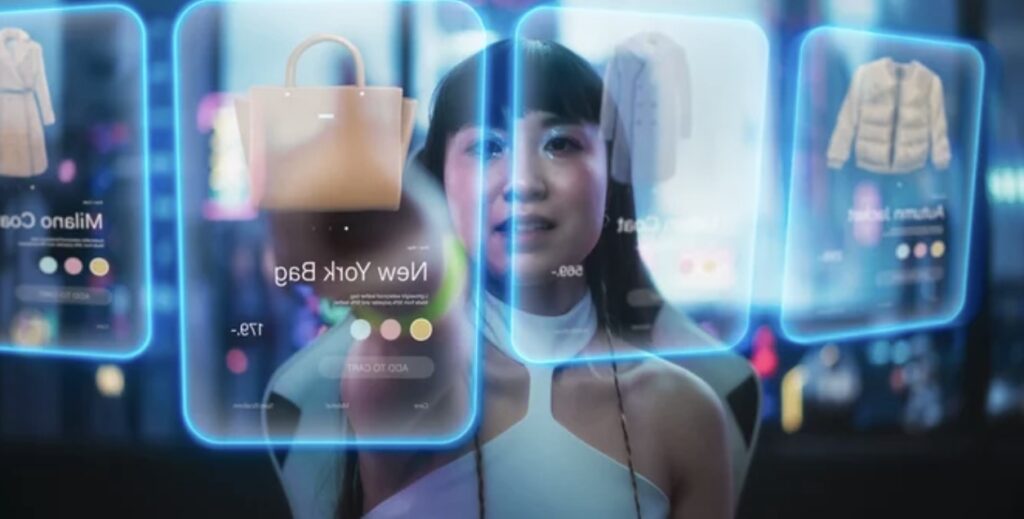
While Generative AI focuses on creating content and simulations, Agentic AI represents the next step: action. An “agentic” system is one that can reason, plan, and execute tasks on behalf of the user. In the context of beauty, this means AI “agents” that don’t just recommend a serum but understand a user’s entire lifestyle and health profile to curate a holistic routine.
These agents act as 24/7 digital beauty consultants. They can analyze “zero-party data”—information explicitly shared by the consumer, such as skin concerns or ingredient preferences—and “first-party data” like purchase history to make executive decisions. For instance, an agentic system might notice that a customer’s local weather is becoming increasingly dry and proactively suggest adding a specific hydrating booster to their existing regimen, even explaining exactly how it interacts with their current products. This moves the consumer journey from a search-based model to a service-based model.
Reshaping Discovery Through the “Discovery Layer”
One of the most profound changes highlighted is the shift in how beauty products are discovered. Historically, discovery happened via search engines, social media influencers, or in-store browsing. Today, a new “discovery layer” is forming within conversational AI platforms. Consumers are increasingly asking AI tools direct, complex questions like, “What is the best non-comedogenic foundation for oily skin under $40 that also contains SPF?”
This shift has introduced a new metric for brands: Share of Model (SOM). Just as brands previously fought for “Share of Shelf” in physical stores or SEO rankings on Google, they must now ensure they are present and positively represented within the training data and real-time retrieval systems of large language models. If a brand’s products are not surfaced by these AI agents during the discovery phase, the brand becomes effectively invisible to a growing segment of the market.
Moving from Transactional to Emotional Connections
A critical challenge for digital beauty retail has always been the lack of emotional resonance found in a physical boutique. A human consultant can read a customer’s mood and adjust their tone accordingly; a standard website cannot. However, the integration of Gen AI is beginning to humanize the digital interface.
By using natural language processing, AI-powered chatbots are evolving into sophisticated virtual assistants that offer “warm” interactions. These systems can detect sentiment and provide empathetic responses, making the digital consultation feel less like an interrogation and more like a conversation. This emotional conviction is what turns a one-time buyer into a loyal customer. When a digital experience feels “intelligent” and “personal,” it mirrors the white-glove service of luxury retail, making the high price point of premium beauty products feel justified even without a physical trial.
The Future of Inclusive and Predictive Innovation
Beyond the consumer-facing interface, Generative AI is also reshaping product development. Brands are now using AI to mine millions of data points from social media, reviews, and forums to identify “micro-trends” before they hit the mainstream. This allows for faster production cycles and more inclusive product ranges. By analyzing a diverse array of global skin tones and concerns, AI helps brands formulate products that cater to underserved demographics, ensuring that “personalization” truly means something for everyone.
The future of beauty shopping is no longer about finding a product that exists; it is about the technology understanding the consumer so well that it can predict what they need before they even realize it. As Generative and Agentic AI continue to mature, the boundary between the digital and physical beauty counter will continue to blur, resulting in a more efficient, inclusive, and deeply personal shopping experience.