
Artificial Intelligence Is Transforming Medical Devices
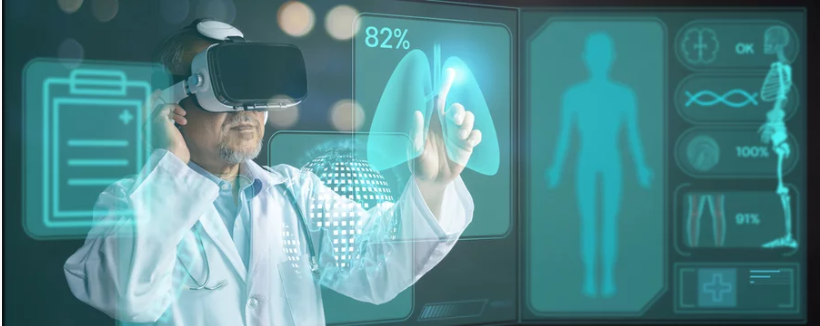
Artificial intelligence is rapidly reshaping the healthcare industry as more medical devices begin integrating advanced AI technologies. From analyzing medical images to detecting potential heart conditions, AI is becoming a powerful tool that helps doctors work faster and more accurately.
Recent data from the U.S. Food and Drug Administration shows a significant rise in AI-enabled medical devices entering the market. The rapid growth highlights how artificial intelligence is becoming increasingly important in modern healthcare technology.
Key Takeaways on AI in Medical Technology
The FDA authorized 258 AI-enabled medical devices in 2025, the highest number recorded in a single year.
More than 1,300 AI medical devices have been authorized since 1995.
Radiology currently accounts for the majority of AI-based medical technologies.
AI is expanding into other specialties including cardiology, neurology, and diagnostics.
As more companies develop AI-powered healthcare tools, regulators are also adapting their frameworks to evaluate these technologies.
How AI Is Used in Medical Devices
AI technologies are being used in several areas of medicine to support physicians and improve patient care. Many systems focus on analyzing complex medical data that would otherwise take significant time for clinicians to evaluate.
For example, AI can help review CT scans to flag signs of serious conditions, identify irregular heart rhythms, and speed up medical imaging analysis. By processing large amounts of data quickly, AI systems can highlight patterns that may help physicians make faster and more informed decisions.
These tools are designed to assist doctors rather than replace them, providing additional support during diagnosis and treatment planning.
The Growing Role of AI in Healthcare Innovation
The increasing number of AI-powered medical devices reflects a broader shift toward data-driven healthcare solutions. As artificial intelligence becomes more sophisticated, its applications across medical specialties are expected to continue expanding.
Regulators and researchers are also exploring how emerging technologies such as generative AI and large-scale AI models may influence the next generation of healthcare tools.
For patients, these innovations could lead to earlier diagnoses, faster treatment decisions, and more personalized medical care in the future.
Source: https://www.medtechdive.com/news/ai-medtech-track-new-devices-fda/748397/